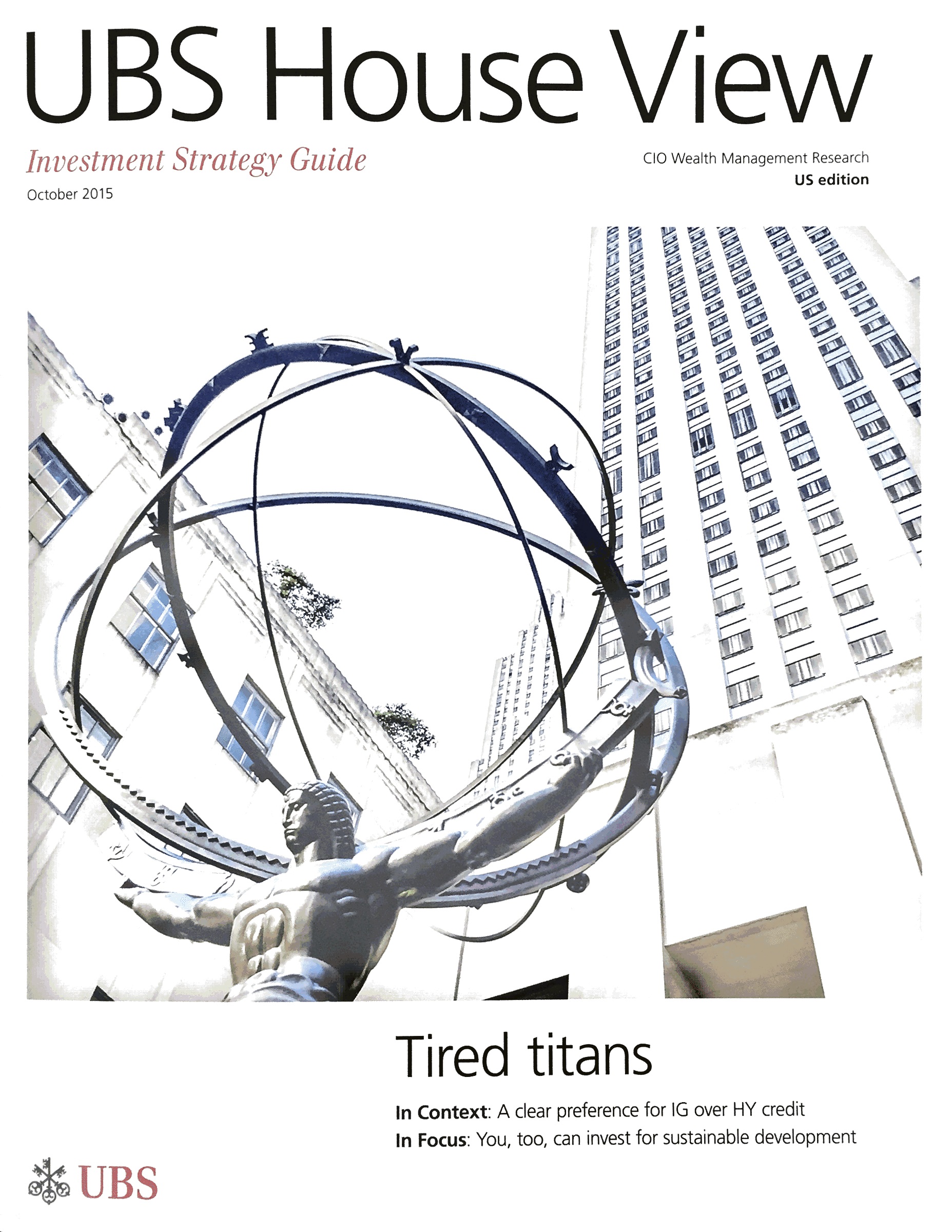
I was able to attend a great presentation last night presented by UBS. Their top real estate analyst, Jonathan Woloshin was flown in from New York to update Hawaii professionals on UBS's overview of the Real Estate market in the US and on a local level in Hawaii.
Jon touched on several points and one of his most important was millennial buyers. As the baby boomer generation shrinks and the millennial generation starts to get older they will need to find housing. The millennial generation has had an increase in student loan debt that has slowed down an increase in home ownership in this demographic. Millennials are more open to renting and hold other things more important than home ownership such as traveling, flexibility, and ability to move in their jobs and careers.
Other than an increase in student loans for millennials, median income has been relatively flat, and home prices have continued to increase steadily. On a local level I think this impacts housing immensely in Hawaii. Down payment requirements, student debt, and rising home prices set back millennials even further in Hawaii and leave the market open to "professional investors". One of my fears is that before millennials have the ability to buy after reducing student debt and saving for their down payment they might have already made the decision to move to a more affordable market on the mainland.
One trend though, emphasized by Jon was the fact that many of these baby boomers are leaving property to their children or grandchildren in this millennial demographic and this is common in Hawaii. This could potentially be in the in needed for millennials in Hawaii to plant their roots in Hawaii and enter the housing market. Just like local economists in Hawaii, Jon also believed that steady growth is the projected path due to the millennial generations low home ownership and that the "professional investor" has a large opportunity to look for investment properties that will generate long-term future income streams.
The appreciation of housing in Hawaii out paces the median increases in income. The only way to bridge the gap is to enter the housing market sooner rather than later. There are several first time home buyer programs out there to help.
:format(webp):quality(80)/u.realgeeks.media/hawaiistartshere/Facebook.png)
:format(webp):quality(80)/u.realgeeks.media/hawaiistartshere/Instagram.png)
:format(webp):quality(80)/u.realgeeks.media/hawaiistartshere/Twitter.png)
:format(webp):quality(80)/u.realgeeks.media/hawaiistartshere/YouTube.png)
:format(webp):quality(80)/u.realgeeks.media/hawaiistartshere/Zillow.png)